
Mediterranean rice management models aim to enhance biodiversity and improve water and soil quality
The ReMedi project, coordinated by Eurecat technology centre, integrates rice cultivation and wetlands as a connected system for the first…
Mediterranean rice-growing regions face increasing challenges linked to climate change, water scarcity, biodiversity loss, and pressures on food production.
ReMedi takes an innovative approach by treating rice paddies and wetlands as one interconnected socio-ecological system. The project develops and tests sustainable farming practices that improve water management, strengthen biodiversity, enhance carbon storage, and support long-term agricultural productivity.
By bringing together farmers, researchers, NGOs, and policymakers, ReMedi aims to create practical solutions that can be replicated across the Mediterranean region.
At the same time, Mediterranean wetlands are among the region’s most valuable ecosystems, providing habitat for wildlife, regulating water resources, storing carbon, and supporting agricultural production.
ReMedi aims to restore these connections through a landscape-scale approach that benefits both people and nature.
By integrating these elements, the project develops a trans-Mediterranean model for sustainable wetland agroecosystem management.
To ensure its solutions are effective across different environmental and agricultural contexts, ReMedi is testing and validating them in four Mediterranean wetland regions.
These pilot areas represent diverse landscapes and challenges, providing an opportunity to assess how different approaches can contribute to biodiversity conservation, sustainable water management, climate resilience, and more sustainable agricultural systems.
The knowledge generated across the pilot regions will support the development of solutions that can be adapted and replicated throughout the Mediterranean.
Latest updates from the project, pilot activities, workshops, publications, and events.
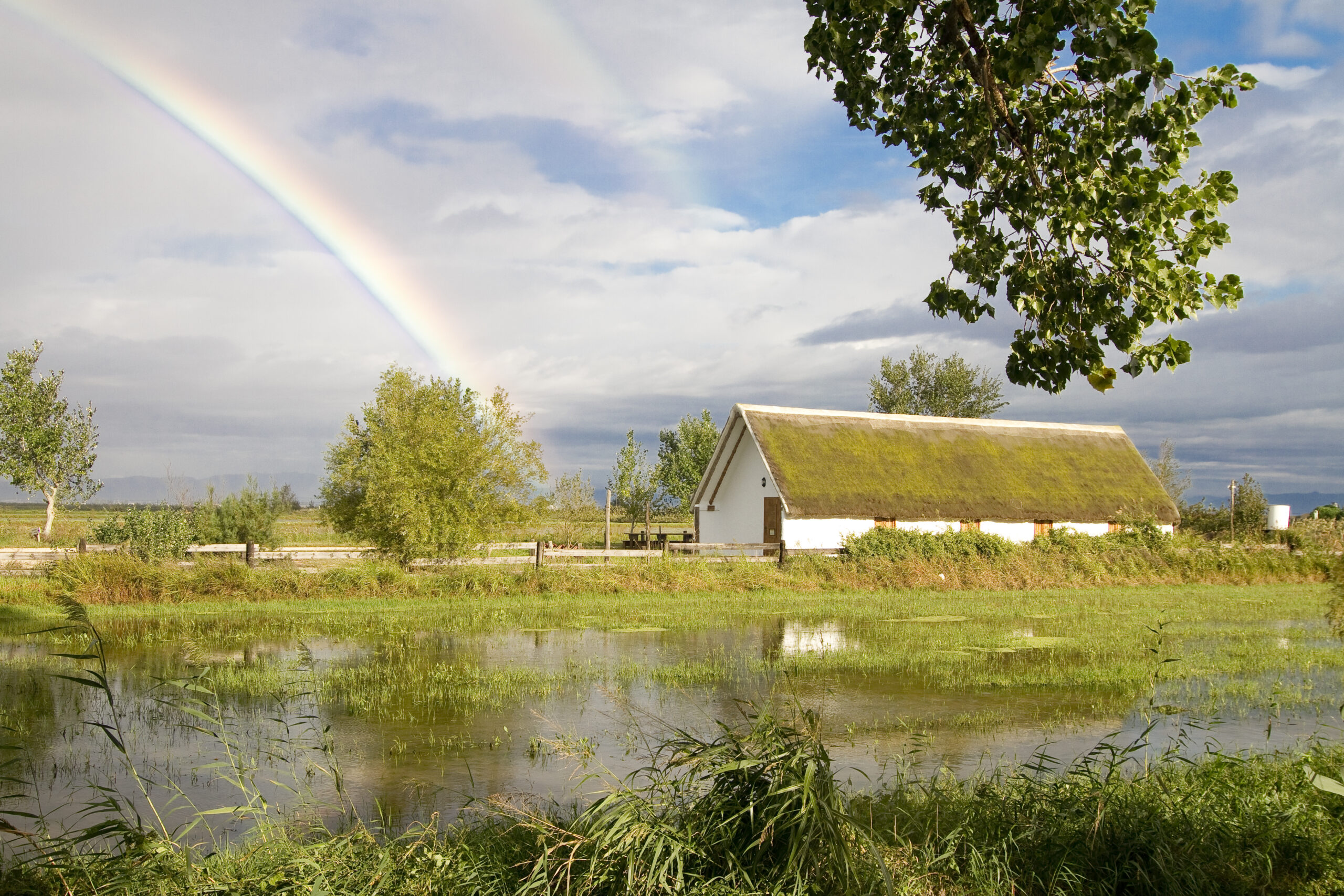
The ReMedi project, coordinated by Eurecat technology centre, integrates rice cultivation and wetlands as a connected system for the first…
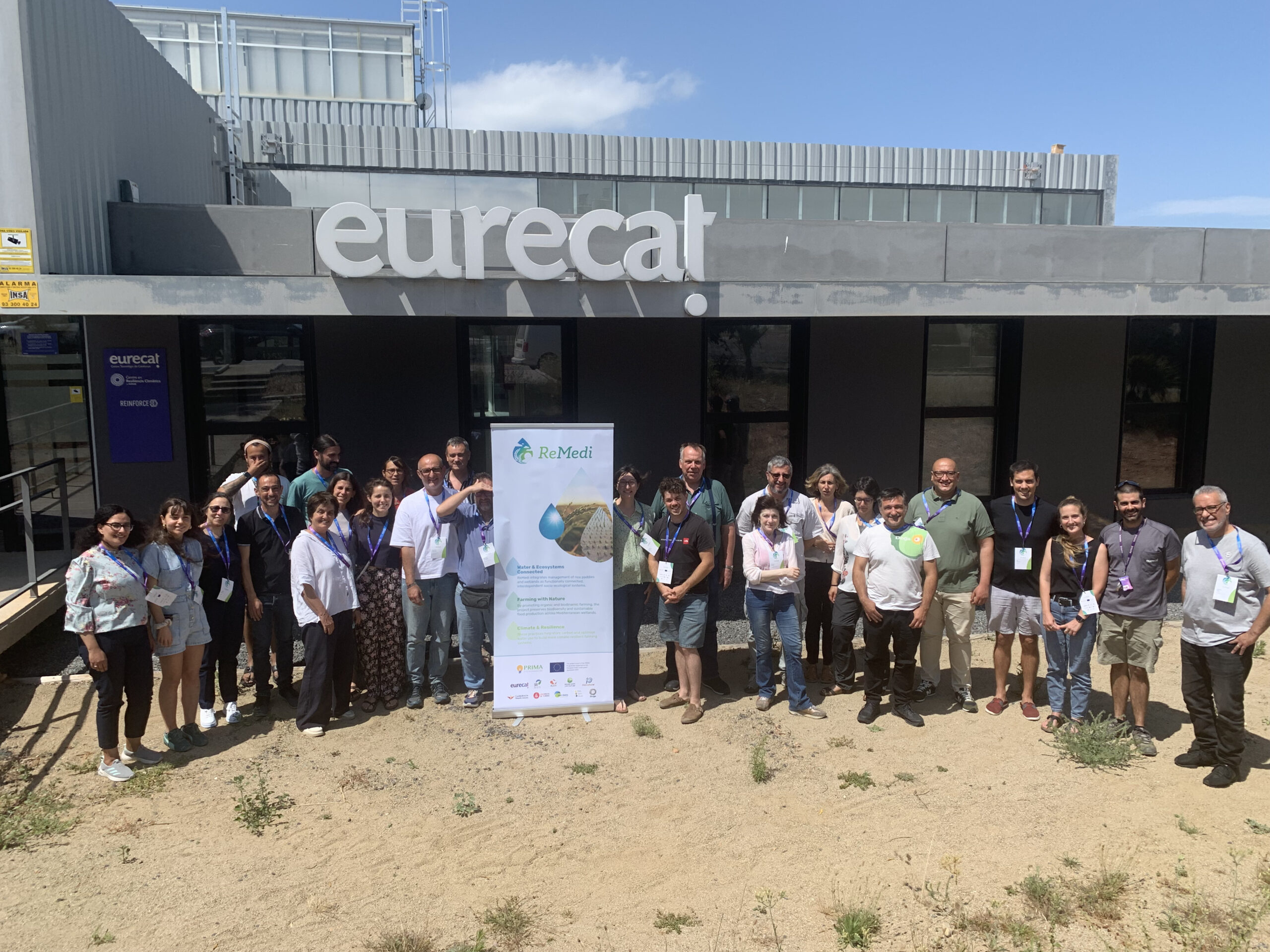
A new European initiative coordinated by Eurecat will reconnect agriculture and wetlands to promote biodiversity, sustainable food production, and climate…
Join the ReMedi community and follow the project’s journey towards more resilient Mediterranean rice systems.
Coordinated by Eurecat, the consortium includes research centres, universities, environmental NGOs, farmer networks, foundations, and innovation organisations from Spain, Germany, Italy, Egypt, and Turkey. Together, the partners represent the main Mediterranean rice-growing regions and contribute complementary knowledge to address the environmental and agricultural challenges facing wetland ecosystems
Partners
Countries